Ask anyone who has shopped for a farm near Upperville in the past year what they know about Virginia's septic rules, and you will likely hear some version of the same line: the state now requires a septic inspection before any sale can close. It has become a talking point repeated across inspection company blogs, mortgage sites, and casual agent conversation. It is also not what the law says.
House Bill 2671 took effect on July 1, 2025, more than a year ago now, which is long enough for the myth to calcify and long enough for the actual mechanism, quieter and more consequential, to go largely unnoticed. The bill does not mandate an inspection at every transfer. What it does is narrower and, for a certain kind of Hunt Country property, more revealing than the headline suggests.
What the Bill Actually Changed
HB 2671 amended Code of Virginia sections 59.1-310.7 through 59.1-310.10. Read the enrolled text and the scope becomes clear: it defines who may call themselves an "authorized septic system inspector," sets minimum standards for what an inspection must cover when one is requested, and requires a written report within ten business days. It also does something less discussed: it explicitly prohibits inspectors from issuing pass or fail determinations or running hydraulic load tests to simulate peak flow.
That last provision matters more than it first appears. The law standardizes the credential and the paperwork trail. It does not create a gate that a sale must pass through, and it does not tell a buyer whether a system is sound. The Virginia Department of Health says as much directly in its own real estate transfer guidance, stating that the agency does not require any activity in conjunction with buying or selling a property with a septic system. Nothing in HB 2671 changes that baseline. A septic inspection in Virginia remains, as it always has, a matter of contract language between buyer and seller, not a legal precondition to closing.
So the version of the law circulating in vendor marketing, "a septic inspection is now a standard expectation at property conveyance, not optional," describes an aspiration, not a statute. The confusion is understandable. The bill sounds like it should mandate inspection because it professionalizes the people who perform them. It just doesn't.
The Exposure That's Actually New
Here is what the standardized reporting requirement quietly surfaces for buyers of larger Hunt Country parcels: a written record now has to say, in plain terms, what components were inspected, what was skipped and why, and what condition each part was in. That level of documentation did not reliably exist before. And once you start asking what that documentation would show on a typical Upperville estate, the real risk comes into focus.
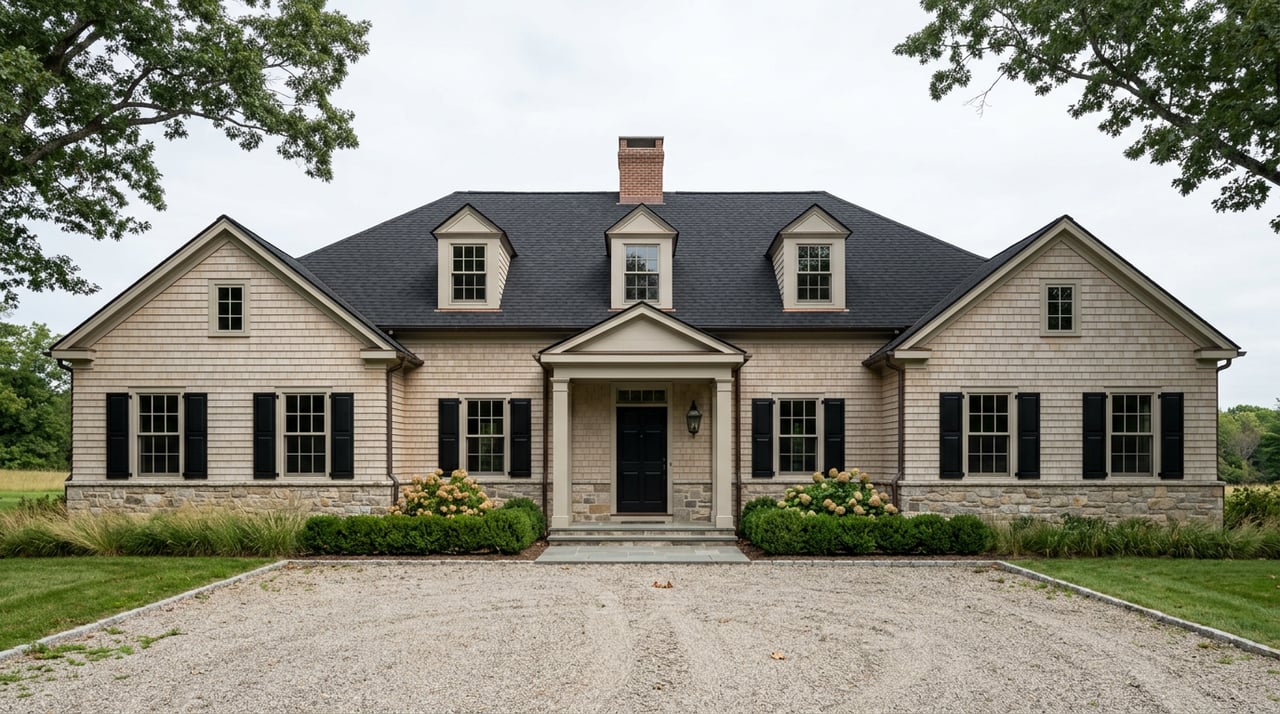
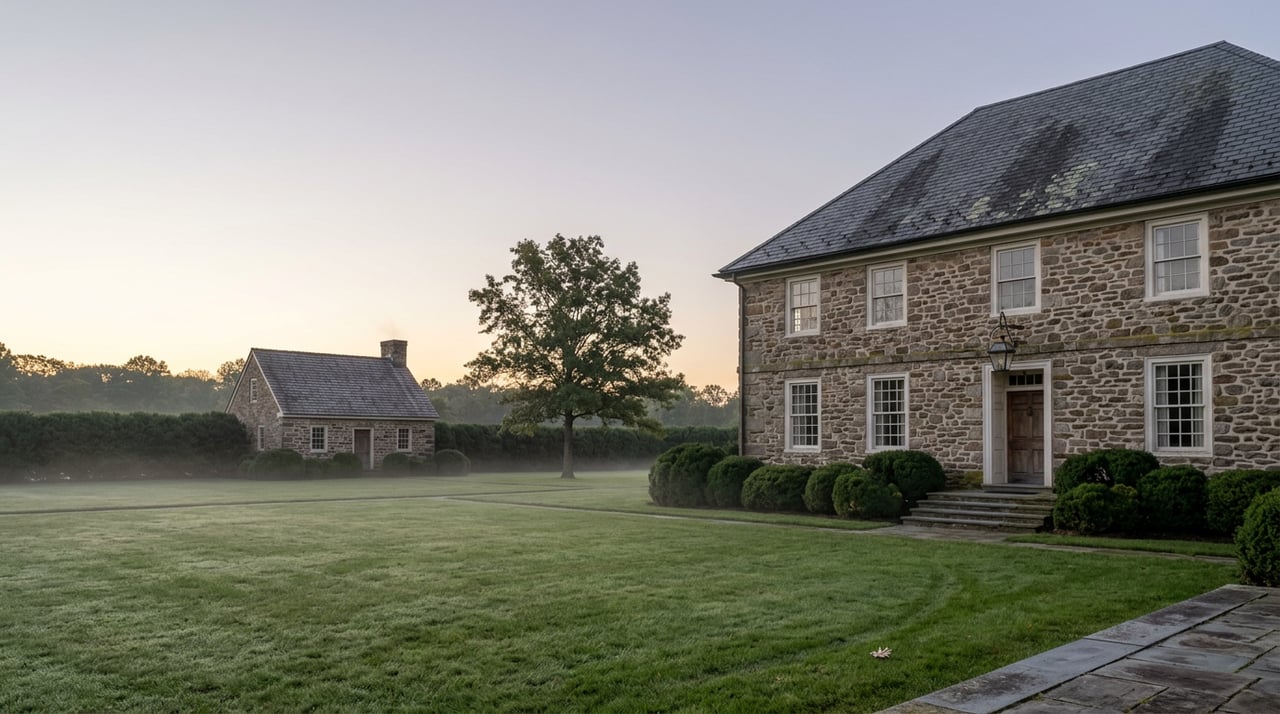
Properties in this part of Fauquier County rarely run on a single septic system. Current listings in the area illustrate the pattern well: a 292-acre parcel on the market recently includes a separate residence used as a farm manager's home, sitting apart from the main house, each presumably needing its own water and wastewater service. Multiply that structure across the estate inventory typical of this market, main house, guest cottage, staff quarters, and you are often looking at two or three independent systems on one deed, each with its own installation date, its own maintenance history, and potentially its own system type.
That last point is where the county-level rule does real work. Fauquier's Alternative Onsite Sewage System requirements are not voluntary in the way HB 2671's inspection framework is. According to the county's own Department of Community Development documentation, an AOSS inspection report must be current within six months to satisfy county requirements, and multiple licensed septic service providers describe Virginia's underlying regulation as requiring annual inspection of AOSS units by a licensed operator, with the report filed to the local health department much like a vehicle inspection sticker. Miss that filing and the owner, whoever that owner happens to be at the time, is out of compliance.
This is the part a buyer needs to sit with. An AOSS compliance history does not reset at closing. It transfers. If the guest cottage on the property you're evaluating has an alternative system that hasn't seen its annual inspection in three years, that gap becomes yours the day you take title, along with whatever the health department decides to do about it.
The Well Half of the Same Question
Wells carry a parallel, and separately underappreciated, set of considerations. Virginia has no statewide mandate requiring private well water testing at the time of sale. Testing is common in practice because lenders often require it and buyers routinely request it during due diligence, but it is not compelled by state law any more than septic inspection is.
Where wells create friction is proximity, not paperwork. Rural properties built before modern setback standards existed often have wells and septic systems positioned closer together than current guidance allows, and the 100-foot separation commonly referenced in lending guidance can catch buyers off guard when a survey finally gets pulled. For VA-financed purchases specifically, the appraisal process under VA Pamphlet 26-7 requires water quality testing on any property using a private well, and that test result is only considered valid for 90 days from certification, a detail worth building into a closing timeline rather than discovering near the end of it.
Disclosure law adds one more layer buyers should understand going in. Virginia's Residential Property Disclosure Act, codified at Code of Virginia section 55.1-700 and following, operates as a buyer-beware framework rather than a detailed seller-disclosure model. The standard form largely advises buyers that the seller makes no representations about the property's condition and recommends independent inspection. It is not, in other words, a document that will surface a septic or well problem on its own. That job falls to the inspection a buyer chooses to request and the questions a buyer chooses to ask.
Before You Write the Offer
For a property with more than one dwelling, or any indication of an alternative system, a few questions are worth resolving before earnest money changes hands.
- How many separate septic systems serve the property, and is each one conventional or an Alternative Onsite Sewage System?
- For any AOSS unit, when was the most recent annual inspection filed with the county health department, and is that filing current?
- Where are the well and septic components located relative to each other, and does that distance meet current setback guidance?
- If the transaction involves VA or FHA financing, has a water test been scheduled with enough lead time that its 90-day validity window won't expire before closing?
- What does the seller's disclosure statement say, and separately, what does it not say, about septic or well history?
The Fauquier County health district and the Virginia Department of Health both maintain permit records that can answer several of these questions directly, often faster than waiting on a seller's memory of work done a decade earlier.
A Few Direct Questions
Does Virginia law now require a septic inspection before I can buy a home? No. HB 2671 sets standards for who can perform an inspection and what it must document if one occurs. It does not make an inspection a legal condition of sale. That decision still lives in the purchase contract.
What if the property I'm considering has more than one septic system? Ask for the inspection and compliance history of each one individually. A main house system in good standing tells you nothing about the condition or filing status of a system serving a guest cottage or staff residence on the same parcel.
How do I find out whether a system is conventional or alternative? The local health department holds the original installation and repair permits, which will identify the system type. This is worth requesting directly rather than relying on a seller's recollection, particularly on estates where systems may have been installed decades apart by different owners.
None of this changes what makes these properties worth pursuing. Land, privacy, and the particular character of a working farm near Upperville are not diminished by a septic tank's maintenance record. But the paperwork behind that record is exactly the kind of detail that determines whether a closing goes smoothly or stalls in its final weeks, and it rewards being asked about early rather than discovered late.
If you're evaluating a property in Upperville with multiple dwellings, a private well, or a system history that's hard to trace, Bretton Molenaar has spent years working through exactly these questions on operating farms and country estates across Northern Virginia. Let's Connect before you write the offer, not after.